

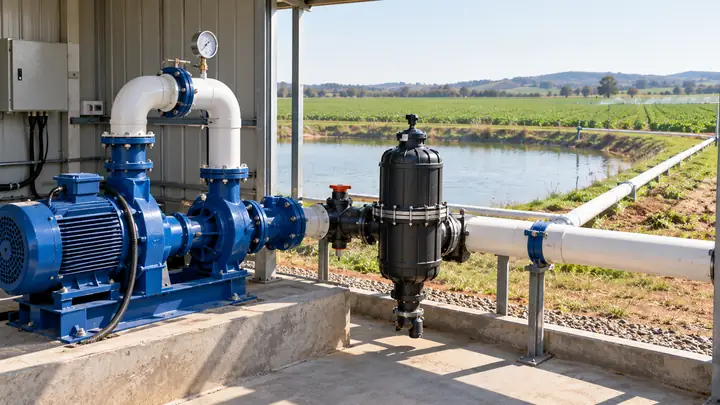
Short answer
An irrigation pump moves water from a well, pond or tank into drip or sprinkler lines at the required flow and pressure. Size it from the largest zone's flow and the total dynamic head, which is lift plus friction plus operating pressure, using kW = m³/h × head in m ÷ (367 × efficiency). For example, 12 m³/h at 40 m head and 65% efficiency needs about 2.0 kW (2.7 hp).
What is an irrigation pump and how do you choose one?
An irrigation pump is a centrifugal, submersible or engine-driven pump that moves water from a well, pond, tank or canal into an irrigation system at the flow and pressure the drip lines or sprinklers need. To choose one, calculate the flow of your largest zone and the total dynamic head (lift plus friction plus required pressure), then pick a pump whose curve meets that duty point near its best efficiency.
This guide explains pump types, the sizing formula with a worked example, sprinkler pumps versus drip pumps, controllers and filters, installation and typical prices. Recirculating pumps for hydroponic systems are a different case, covered in our guide to hydroponic pumps and plumbing.
Types of irrigation pumps
The right type of irrigation pump depends first on where the water is: surface sources and shallow wells use surface pumps, deep wells use submersibles or turbines, and remote fields often use engine or solar drives. The table compares the main types.
| Pump type | Water source | Typical duty | Strengths | Limits |
|---|---|---|---|---|
| End-suction centrifugal | Ponds, tanks, canals, shallow wells | High flow, moderate pressure (often 2–5 bar) | Simple, efficient, easy to service | Practical suction lift about 6–7 m (20–23 ft); needs priming |
| Multistage centrifugal | Tanks, mains, boosting | Moderate flow, higher pressure (often 4–10 bar) | Compact, high pressure for sprinklers and long runs | More sensitive to sand and debris |
| Submersible borehole | Drilled wells | Wide range; lifts from tens to hundreds of meters | No priming, quiet, no suction limit | Pulled from the well for service |
| Vertical turbine | Large wells, sumps, rivers | Very high flow | Motor above ground, long life | High capital cost |
| Jet pump | Shallow wells | Low flow | Self-priming, cheap | Low efficiency; garden and household scale |
| Engine-driven or PTO pump | Rivers, ponds, remote fields | High flow and pressure | No grid power needed, portable | Fuel, noise, maintenance |
| Solar pump | Wells, tanks, ponds | Low to moderate flow | No fuel cost, off-grid | Output follows sunlight unless stored |
For off-grid fields, our guide to solar-powered irrigation systems explains panel and storage sizing.
How do you size an irrigation pump?
Pump sizing comes down to two numbers, flow and total dynamic head (TDH), plus the efficiency of the pump at that point. Getting both right avoids the two most common problems: low pressure at the end of the field and wasted energy from an oversized pump.
Step-by-step pump sizing
- Find the zone flow. Add up the emitter or sprinkler flows in the largest zone that runs at once. Example: 4,800 m of drip tape at 2.5 L/h per meter is 12,000 L/h, or 12 m³/h (about 53 gpm).
- Find the static lift. Vertical distance from the pumping water level to the pump, plus any rise from the pump to the highest point of the field.
- Add friction losses. Losses in suction pipe, main line, sub-mains, valves and fittings, from the pipe manufacturer's friction tables.
- Add equipment losses. Filters, fertilizer injectors, flow meters and backflow devices each consume pressure; a clean disc filter might use around 0.2–0.5 bar, more when dirty.
- Add the required operating pressure. The pressure needed at the zone inlet, for example about 1–1.5 bar for drip tape with a regulator, or 2–4 bar at the nozzle for impact sprinklers.
- Convert to head and total it. 1 bar is about 10.2 m of head; 1 psi is about 2.31 ft. The sum is the TDH.
- Calculate power and check the pump curve. Choose a pump whose curve passes through your flow and TDH close to its best efficiency point (BEP).
Pump power formula with a worked example
The standard hydraulic formula used by university extension services is:
- Metric: shaft power (kW) = flow (m³/h) × TDH (m) ÷ (367 × pump efficiency).
- Imperial: brake horsepower = flow (gpm) × TDH (ft) ÷ (3,960 × pump efficiency).
Worked example: the drip farm above needs 12 m³/h. Static lift is 8 m, friction in pipe and fittings is 7 m, filter and injector losses are 10 m (about 1 bar), and the zone needs 15 m (about 1.5 bar) at the inlet, for a TDH of 40 m (131 ft). At 65% pump efficiency, power is 12 × 40 ÷ (367 × 0.65), which is about 2.0 kW (2.7 hp). The next standard motor size is 2.2 kW (3 hp). Pump efficiencies commonly range from about 50% for small pumps to 80% or more for large, well-matched ones, so always use the figure from the manufacturer's curve.
Sprinkler pumps vs drip irrigation pumps
Sprinkler pumps need more pressure than drip pumps, so the same flow can require roughly two to three times the power. That difference is often the deciding factor when farms convert from sprinklers to drip.
- Sprinkler water pump: impact and rotor sprinklers need about 2–4 bar (30–60 psi) at the head, and big guns need more, so sprinkler pumps are often multistage or high-head centrifugal units. A sprinkler pressure pump (booster) is used when city or well pressure is too low for the sprinklers.
- Drip pump: drip zones run at about 0.5–2 bar at the lateral, so most of the head goes to lift, filtration and fertigation losses. A drip system can often run on a smaller motor than the sprinkler system it replaces.
For homeowners, water pumps for sprinklers that draw from a lake or shallow well are typically 0.75–2 hp centrifugal pumps, and a pump of under 1 hp is enough for a few drip zones. Commercial farms work the same way, just with larger flows, multiple zones and more attention to efficiency. See the types of irrigation systems for the pressures each system needs.
Sprinkler pump filters and irrigation pump controllers
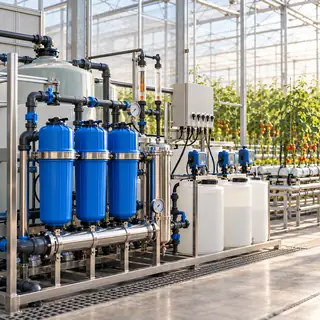
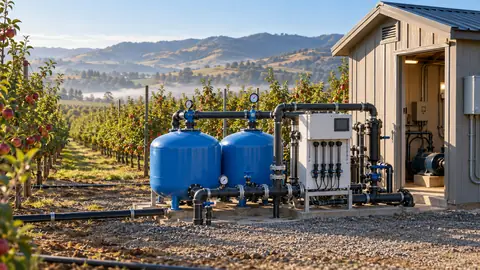
Every irrigation pump needs protection on both sides: a suction strainer to keep debris out of the pump, and a discharge filter to keep particles out of the emitters. On the control side, the pump must start and stop in step with the zone valves.
Sprinkler pump filter and suction protection
- Foot valve and strainer on the suction line keep the pump primed and stop large debris.
- Screen filter after the pump is usually enough for sprinklers.
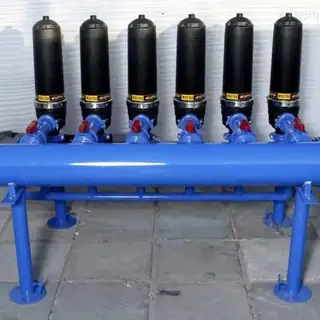
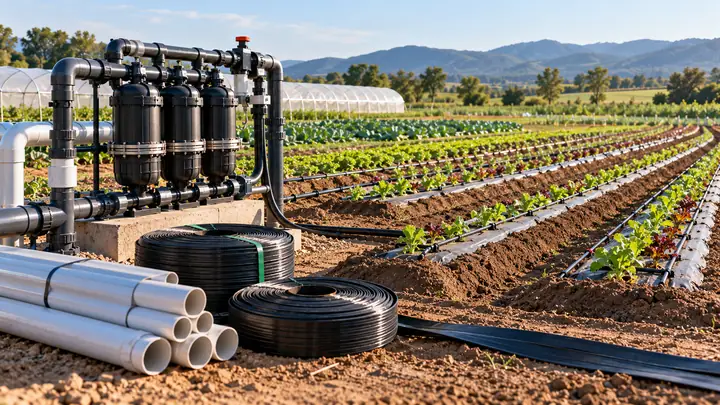
- Disc or sand media filters are needed for drip; a fully automatic disc filter backwashes itself on a pressure-difference signal. Our irrigation filters guide explains mesh sizes.
Irrigation pump controller options
An irrigation pump controller can be as simple as a pump start relay switched by the irrigation timer, or as advanced as a variable frequency drive (VFD) that holds constant pressure as zones change. Useful features include:
- Pump start relay triggered by the controller's pump or master valve output.
- VFD for soft starting, constant pressure and lower energy use with varying zone sizes.
- Dry-run, low-pressure and high-pressure shutoff to protect the pump and pipes.
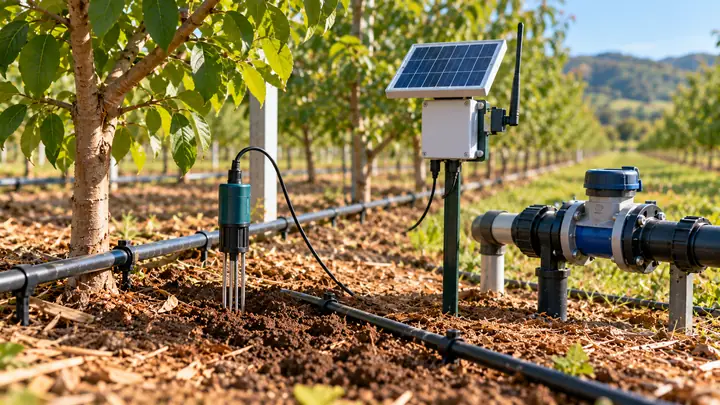
- Pressure switch and pressure tank for small booster systems.
- Remote monitoring of flow, pressure and power; see smart irrigation controllers.
How to install an irrigation pump correctly
Most pump failures start with poor installation, especially on the suction side. Follow these steps for a surface centrifugal pump:
- Place the pump as close to the water and as low as practical to minimize suction lift.
- Use a suction pipe at least as large as the pump inlet, keep it short, and slope it upward to the pump with no high points that trap air.
- Fit a foot valve with strainer, or a priming system, and an eccentric reducer at the pump inlet.
- On the discharge side, install a check valve, isolation valve, pressure gauge and air release valve.
- Provide correct electrical protection, earthing and a motor starter or VFD sized to the motor.
- Prime, start against a partly open valve, then check pressure, flow and current draw against the pump curve.
Size the main line so friction stays reasonable; our guide to irrigation pipe, fittings and manifolds includes flow-by-size tables.
Irrigation pump prices and what affects them
Irrigation pump prices range from about $100–$500 for small garden pumps to a few hundred to several thousand dollars for farm centrifugal and submersible pumps, with large turbines and engine sets higher still. Typical price drivers are:
- Motor power and voltage (single-phase or three-phase).
- Materials: cast iron, stainless steel or bronze impellers and casings.
- Pump type and number of stages.
- Controls such as VFDs, pressure tanks and protection panels.
- Installation: well work, power supply, pump house and pipework.
When comparing pump quotes, compare the duty point and efficiency, not only horsepower; a cheaper pump running far from its BEP can cost more in electricity within a few seasons. The pump is one line in the overall budget described in our irrigation system cost guide.
Best irrigation pump checklist
The best irrigation pump is the one whose curve matches your duty point and whose materials suit your water. Before requesting quotes, gather:
- Water source type, depth to pumping water level and seasonal drawdown.
- Largest zone flow in m³/h or gpm and the calculated TDH in m or ft.
- Available power: single-phase, three-phase, diesel or solar, with voltage and frequency (50 or 60 Hz).
- Water quality: sand, salinity, iron or corrosive conditions.
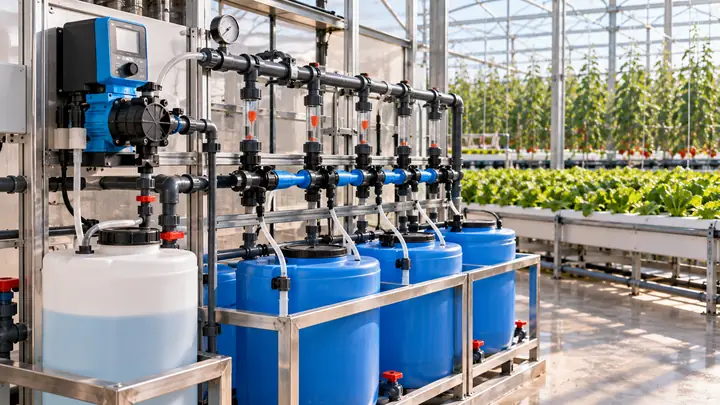
- Whether the pump will feed a fertigation unit, filters or pressure-compensating emitters.
- Required controls: start relay, VFD, dry-run protection, remote monitoring.
Common mistakes are oversizing "to be safe", which wastes energy and can over-pressurize drip lines, undersizing the suction pipe, and forgetting filter and injector losses in the TDH.
Next steps
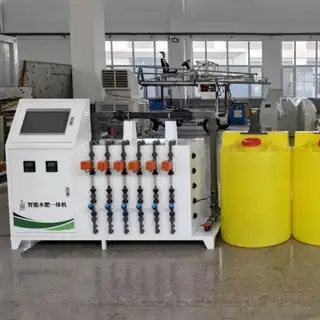
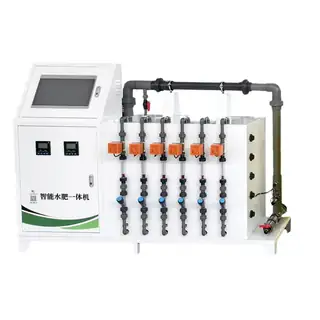
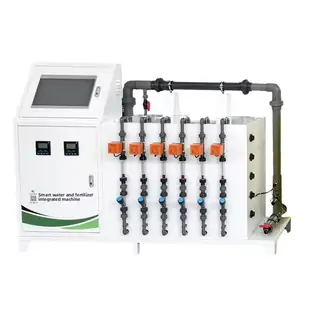
Mars Vertical Farm builds irrigation head units that combine the pump, filtration and fertigation, including engine-powered pump irrigation systems for fields without grid power. Send us your water source, zone flow and field layout, and our engineers will match an irrigation pump and head unit, with factory-direct pricing and custom sizing.