Short answer
A home hydroponic system grows herbs, greens and small vegetables indoors without soil, using a reservoir, a small pump and usually built-in LED lights. Countertop units suit herbs and lettuce, vertical towers and multi-tier shelves fit more plants in less floor space, and bucket kits suit single tomato or pepper plants. Light output and reservoir size matter most when choosing.
What is a home hydroponic system?
A home hydroponic system is a compact, soilless indoor garden that grows herbs, salad greens and small fruiting plants in a nutrient solution, usually under built-in LED lights. Most units combine a reservoir, a small pump, planting sites with net cups or sponge pods, and a timer, so a household can harvest fresh produce year-round without soil or a garden.
The category covers everything from a mini hydroponic system on a kitchen counter to a floor-standing indoor garden system with several tiers. This buyer's guide explains how each type works, what to check before you buy an indoor hydroponic system, and which vegetables do best. It is written for home growers, and for retailers and distributors selecting a range of hydroponic kits to stock. For the basics of soilless growing, see what is hydroponics.
What types of indoor hydroponic systems are there?
Home systems use the same principles as commercial farms, scaled down. The main formats are:
Countertop and tabletop units
Small hydroponic systems with 6–12 planting sites, a reservoir of a few liters and an LED arm overhead. Most run a simplified deep water culture or gentle drip. They suit herbs and lettuce and are the usual starting point for hydroponics for beginners.
Vertical towers
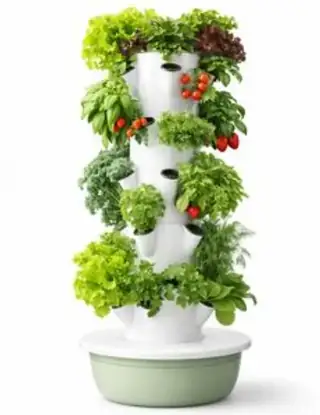
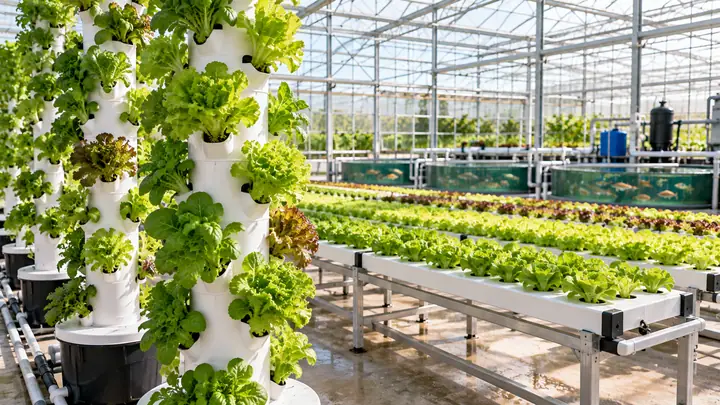
A column with many planting pockets, fed by a pump that lifts solution to the top so it trickles or mists down past the roots. Towers fit a lot of plants into a small floor area and work well beside a bright window or under side-mounted lights. Some use aeroponic misting. Our hydroponic towers guide covers sizing and layouts.
Multi-tier shelves and cabinets
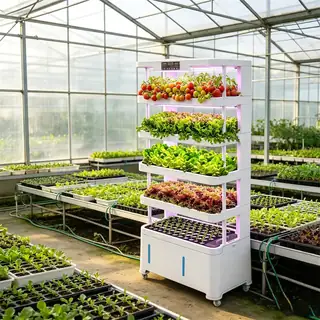
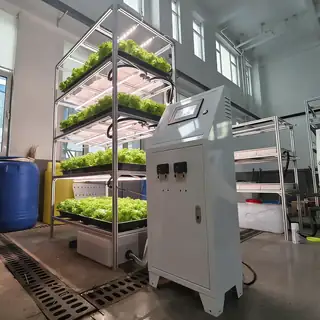
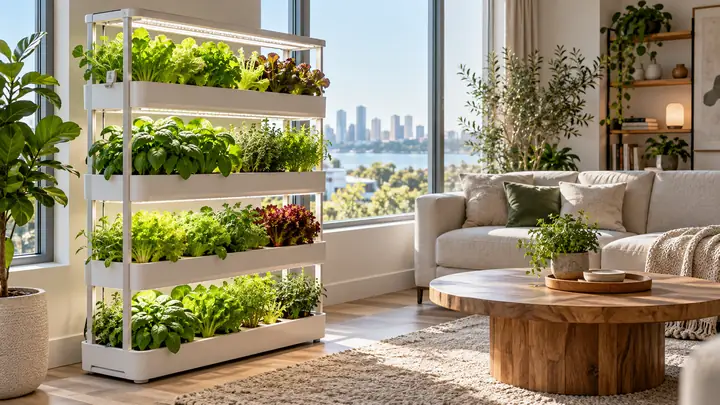
Floor-standing indoor garden stands with two to five shelves, each with its own tray or NFT pipes and LED panel. Enclosed versions, often called grow cabinets or grow boxes, add doors, fans and sometimes humidity control. These are covered in our guide to grow cabinets and grow boxes.
Bucket and DIY systems
A hydroponic bucket kit (a single 5 gallon bucket with a lid, net cups and an air stone) is the cheapest way to grow one large plant such as a tomato or pepper. Home made hydroponic systems built from food-grade tubs or PVC pipes are popular with hobbyists, but material safety, light-proofing and leaks are the grower's responsibility.
Outdoor hydroponic gardens
Outdoor hydroponics on a patio, balcony or rooftop relies on sunlight instead of LEDs. Towers and NFT pipe frames are common. Outdoors, you must protect the reservoir from heat and sunlight, which warm the solution and encourage algae, and allow for rain diluting the nutrient mix.
How do home hydroponic system types compare?
| Type | Typical plant sites | Footprint | Built-in light | Best for |
|---|---|---|---|---|
| Countertop unit | 6–12 | Kitchen counter | Usually | Herbs, lettuce, beginners |
| Vertical tower | 20–60+ | About 0.5 m² floor | Sometimes | Salad greens, herbs, strawberries |
| Multi-tier shelf or cabinet | 30–100+ | Small wardrobe size | Yes, per tier | Families, seedlings, microgreens |
| Bucket kit | 1–4 | One bucket per plant | No | Tomatoes, peppers, cucumbers |
| Outdoor tower or pipe frame | 20–80 | Balcony or patio | No | Summer greens and herbs |
Plant site counts vary widely by model; use the table as a rough guide rather than a specification.
How do you choose the best indoor hydroponic system?
The best hydroponic indoor garden is the one that matches your space, light and the crops you actually eat. Use this checklist before you buy a hydroponic system for home use, or before adding models to a retail range:
- Crop list. Herbs and lettuce suit almost any unit. Tomatoes, peppers and cucumbers need height, a larger reservoir and stronger light.
- Space and height. Measure the spot, including the light arm at full extension and clearance for harvesting.
- Light quality and output. For indoor growing, look for full-spectrum LED panels with adjustable height and a timer. Weak lights are the most common reason indoor gardens disappoint.
- Reservoir size. Larger reservoirs mean fewer top-ups and more stable nutrient strength and pH.
- Pump and noise. Check the pump type, run schedule and noise level, especially for bedrooms and offices.
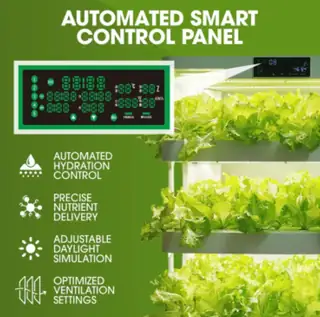
- Automation. An automated hydroponic system may control light, pump cycles and water-level alerts. Fully automated hydroponic systems with app control add convenience but also more parts that can fail.
- Consumables. Check whether the unit accepts any sponge plugs and seeds, or only proprietary seed pods.
- Materials and cleaning. Food-grade plastics, opaque reservoirs and parts that come apart for cleaning make long-term use far easier.
- Electrical certification appropriate to the market where it will be sold, such as CE marking for Europe.
What grow lights does an indoor hydroponic garden need?
Light is the factor that limits most indoor gardens. Leafy greens and herbs grow well under modest LED intensity, typically with 12–16 hours of light a day. Fruiting crops such as tomatoes and peppers need noticeably more light and longer to mature, so a windowsill or a small countertop LED is rarely enough for them. When comparing the best growing lights for indoor growing, focus on usable light output for the growing area, even coverage across the tray, adjustable height and efficiency, rather than on wattage alone. Indoor LED hydroponic systems with the lights mounted close above each tier make better use of every watt than a single lamp hung over a tall stand.
What are the best vegetables for hydroponics at home?
The best vegetables to grow hydroponically indoors are fast, compact and harvested repeatedly:
- Lettuce (loose-leaf, butterhead, romaine): ready in roughly 4–7 weeks from seed.
- Herbs: basil, mint, parsley, coriander, chives, oregano. See our indoor hydroponic herb garden guide.
- Asian greens: pak choi, mizuna, tatsoi.
- Spinach, kale and Swiss chard, harvested leaf by leaf.
- Microgreens, grown on trays in a week or two.
- Cherry tomatoes, chilies and strawberries, in larger units with strong light and support.
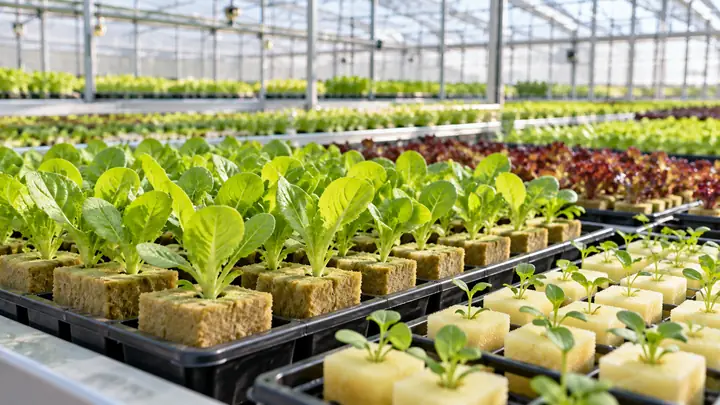
The best seeds for an indoor hydroponic garden are compact varieties bred for containers. Start them in sponge plugs or a hydroponic seed starter kit, then move seedlings into the system once roots appear.
How do you set up a hydroponic system at home?
Hydroponics setup for beginners is straightforward if you follow a routine:
- Place the unit on a level surface near a power outlet, away from direct heat sources.
- Rinse the reservoir and fill it with clean water. If your tap water is very hard, consider filtered water.
- Add hydroponic nutrient as directed, then check EC and adjust pH to roughly 5.5–6.5.
- Insert seeded sponges or seedlings in net cups so the plug touches the solution or drip line.
- Set the light timer (around 14–16 hours for greens) and pump cycle.
- Top up with water as the level drops, and replace the whole solution every two to three weeks.
- Harvest outer leaves regularly and clean the system thoroughly between crops.
Our hydroponic nutrients, EC and pH guide explains how to mix and measure the solution.
How much time, power and maintenance does an indoor hydroponic system need?
Day to day, a small indoor hydroponic garden needs only a few minutes: check the water level, look at the plants and harvest. Once a week, measure EC and pH, wipe salt build-up from the planting sites and check that the pump and lights are running on schedule. Every two to three weeks, drain and refill the reservoir. Between crops, take the system apart, clean the tank, channels and net cups with warm water and a mild cleaner, rinse well and start again.
Electricity use is dominated by the LEDs, not the pump. A countertop unit draws little more than a desk lamp, while a multi-tier shelf with a panel on every level uses more, so check the rated power of the lights and the hours you plan to run them. Small pumps on timers use very little.
Water use is low because a closed system loses water mainly through the plants. A household with a medium-size tower usually tops up a few liters a week, depending on plant size, room temperature and humidity.
If you are not sure which growing method suits your crops, our overview of the types of hydroponic systems explains how wick, DWC, NFT, ebb and flow, drip and aeroponic designs differ. Many home kits are simplified versions of one of these, and knowing which one helps you troubleshoot.
What problems do beginner hydroponic gardeners run into?
- Leggy, pale seedlings: light too weak or too far away.
- Yellowing leaves: nutrient solution too weak, or pH drifting out of range.
- Brown, slimy roots: warm water and low oxygen; keep the reservoir cool and aerated.
- Green film in the tank: light leaking into the reservoir; cover gaps and empty planting sites.
- Tip burn on lettuce: often low airflow or too-strong nutrients; add a small fan and reduce EC.
What should retailers and distributors look for in home hydroponic kits?
For a store or online shop, a good range usually covers three price points: a simple countertop hydroponic garden kit for beginners, a mid-size vertical tower or shelf system for families, and a larger multi-tier cabinet for enthusiasts. Check spare-part availability (pumps, LED drivers, net cups), the packaging size for shipping costs, multilingual manuals and the electrical standards of your market. OEM/ODM options let you put your own branding on the unit and packaging.
Examples from our smart grow cabinets and home systems range include the small household hydroponic planter for beginners, the home multi-tier vertical hydroponic system and the small indoor hydroponic tower with pump. Mars Vertical Farm builds these in its Shanghai factory with OEM/ODM options and CE-marked products, quoting EXW, FOB Shanghai or CIF. Contact our export team for a quotation or a sample order.