Short answer
Growing tomatoes indoors works best with compact micro dwarf, patio or cherry varieties, strong LED light of about 20 to 30 mol/m2/day, daytime temperatures of 21 to 27 °C and daily hand pollination. Sow seeds about 6 mm deep at 21 to 27 °C; they germinate in 5 to 10 days, and cherry or dwarf types usually give first ripe fruit about 3 to 4 months after sowing.
Can you grow tomatoes indoors?
Yes, you can grow tomatoes indoors, and growing tomatoes indoors works best with compact dwarf or cherry varieties, strong LED grow lights, warm temperatures of about 21–27 °C (70–80 °F) by day and hand pollination. From seed, most indoor cherry and dwarf tomatoes give their first ripe fruit in roughly 3–4 months.
The same steps apply whether you are raising a single indoor tomato plant in a kitchen, running a grow cabinet, or producing tomato seedlings for a greenhouse. This guide walks from seed to harvest. For commercial greenhouse systems, substrates and high-wire training, see hydroponic strawberries and tomatoes.
Best varieties for growing tomatoes indoors
Can you grow tomatoes inside with any variety? Technically yes, but the best tomatoes for growing inside the house are small tomato varieties that stay within your light's reach: micro tomatoes (micro dwarf types), compact tomato plants for patios and the newer dwarf tomato plants. Tall indeterminate tomatoes can grow indoors too, but they need 2 m (6.5 ft) or more of headroom, trellising and much more light.
| Type | Typical plant height | Example varieties | Container size | Best indoor setting |
|---|---|---|---|---|
| Micro dwarf tomatoes | About 15–40 cm (6–16 in) | Micro Tom, Red Robin, Tiny Tim, Florida Petite | 1–4 L (0.25–1 gal) | Windowsills, shelves, small grow cabinets |
| Compact patio and trailing cherry | About 30–60 cm (1–2 ft) | Tumbling Tom and other patio cherry types | 4–12 L (1–3 gal) or hanging baskets | Grow cabinets, racks, tents |
| Dwarf Tomato Project varieties | About 60–135 cm (2–4.5 ft) | Lemon Ice, Rosella Purple, Hannah's Prize | 12–20 L (3–5 gal) | Tents, sunrooms, tall cabinets |
| Indeterminate cherry and slicing | 2 m (6.5 ft) and taller | Most greenhouse cherry and beefsteak types | 10–20 L substrate or Dutch bucket | Greenhouses, tall indoor farms with vertical training |
Micro dwarf tomatoes such as Micro Tom, bred at the University of Florida and only about 15–20 cm tall, are among the smallest tomato plant varieties and fit almost any indoor tomato garden. Dwarf tomatoes from the Dwarf Tomato Project, a volunteer breeding effort started in the mid-2000s by Craig LeHoullier and Patrina Nuske Small, keep a compact, sturdy plant but carry full-size fruit. "Dwarf" describes the plant, not the fruit.
Can you grow cherry tomatoes indoors? Yes; cherry tomato growing indoors is the easiest route to a real harvest, because small fruit ripens faster and sets more reliably than large slicers. Common types of small tomatoes include cherry, grape, cocktail and currant tomatoes. Miniature and compact varieties are also the usual choice for indoor tomato kits.
When should you start tomato seeds indoors?
Starting tomato seeds inside should begin about 6–8 weeks before your average last spring frost if the plants will move outdoors or into an unheated greenhouse. For plants that stay indoors permanently, you can start tomatoes at any time of year, because light and temperature are under your control. When to sow tomato seeds for a heated greenhouse depends on its planting date: count back the same 6–8 weeks.
How long does it take to grow tomatoes from seed?
Typical indoor timing, which varies by variety, light and temperature:
- Tomato germination: about 5–10 days at 21–27 °C (70–80 °F) in the seed tray.
- Seedling stage: about 6–8 weeks to a sturdy transplant 15–25 cm (6–10 in) tall.
- First flowers: often 6–10 weeks after sowing for dwarf and cherry types.
- First ripe fruit: roughly 6–8 weeks after the flower is pollinated, so around 3–4 months from seed for cherry and dwarf tomatoes and longer for large-fruited types.
How to grow tomatoes from seeds, step by step
Growing tomatoes from seeds indoors is straightforward if you keep the seed warm, give light immediately after germination and avoid overwatering. These steps produce seedlings that are short, thick-stemmed and ready to transplant. Seeding tomatoes in plugs or cells, rather than in one open tray, makes transplanting far easier.
- Fill cells or plugs with a fine, moist seed-starting mix, rockwool or coir plugs. See seed starting trays and germination for tray formats.
- Sow 1–2 seeds per cell. How deep to plant tomato seeds: about 6 mm (1/4 in). Cover lightly and firm the surface.
- Keep the medium warm. A heat mat holding 21–27 °C (70–80 °F) speeds germination. Cover with a humidity dome until the first seedlings appear.
- Give strong light straight away. Remove the dome and put seedlings under LED lights for 14–18 hours a day. Weak light is the main cause of tall, floppy seedlings.
- Thin to one seedling per cell by snipping the weaker one at soil level.
- Feed lightly once the first true leaves appear, with a quarter- to half-strength nutrient solution.
- Pot up into 8–10 cm (3–4 in) pots after 3–4 weeks, burying the stem up to the first leaves. Tomatoes grow roots along buried stems, making plants sturdier.
- Add a gentle fan to strengthen stems, and harden plants off over 7–10 days if they are going outdoors.
Planting tomato seeds from tomatoes: does it work?
You can plant tomato seeds from tomatoes, but only open-pollinated and heirloom varieties grow true to type. Most supermarket and many garden tomatoes are F1 hybrids, so their seedlings vary and may be poor. To save seed, squeeze the pulp into a jar with a little water, let it ferment for 2–4 days to remove the gel coat, rinse, then dry seeds on a plate for about a week before storing them cool and dry.
How do you plant tomato seedlings and care for them in pots?
How to plant tomatoes from seedlings: move each plant into its final container once it has 5–7 true leaves, burying the stem deeply as before. Tomato plant care in pots depends mainly on container size, drainage and steady watering.
- Container size: match it to plant type (see the table above). Undersized pots dry out quickly and cause blossom end rot.
- Medium: use a free-draining potting mix, coir or a perlite-coir blend, never garden soil.
- Watering: water when the top 2–3 cm feels dry, until a little drains out. Irregular watering causes split fruit and blossom end rot.
- Support: stake or cage dwarf varieties; train indeterminate plants to a single or double stem on string and remove side shoots.
- Feeding: switch to a tomato feed with higher potassium once the first trusses set.
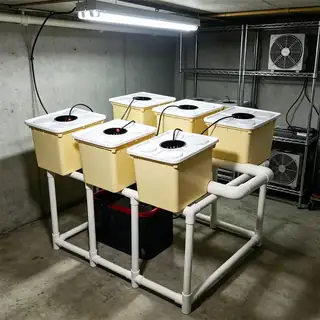
Caring for tomato plants in containers is easiest with self-watering pots or a recirculating system. A Dutch bucket hydroponic system is the standard way to grow larger tomatoes indoors or in greenhouses, with one or two plants per bucket.
How much light, heat and nutrients do indoor tomatoes need?
Indoor tomatoes need much more light than leafy greens: commonly cited greenhouse guidance suggests a daily light integral (DLI) of at least about 20 mol/m²/day, with around 30 mol/m²/day ideal for fruiting. A sunny windowsill rarely delivers this in winter, so tomato plants in winter almost always need grow lights.
- Light: an average photosynthetic photon flux density (PPFD) of about 400–600 µmol/m²/s for 14–16 hours meets the target. Give tomatoes a daily dark period; continuous 24-hour light can injure tomato leaves. Our guide to grow lights for indoor farming compares fixtures.
- Temperature: about 21–27 °C (70–80 °F) by day and 16–18 °C (61–64 °F) at night. Fruit set suffers when days stay above about 32 °C (90 °F) or nights fall below about 13 °C (55 °F).
- Humidity: around 60–70% relative humidity limits leaf disease and supports pollination.
- Nutrients: in hydroponics, tomatoes typically run at an electrical conductivity (EC) of about 2.0–3.5 mS/cm, higher during fruiting, and a pH of about 5.5–6.5.
How do you pollinate tomatoes indoors?
Tomatoes are self-pollinating, but their pollen is released by vibration, so indoor plants need help to set fruit. Outdoors, wind and bumblebees shake the flowers; indoors, you replace them.
- Gently tap or shake each flower truss once a day when flowers are open, ideally late morning.
- Touch an electric toothbrush or small vibrating tool to the stem just behind open flowers for a second or two.
- Run oscillating fans so flowers move constantly.
- In greenhouses and large indoor farms, use commercial bumblebee hives, which vibrate flowers as they feed.
Pots, grow cabinets or hydroponics: which indoor tomato setup?
The right setup for growing tomato plants indoors depends on variety height, number of plants and how much control you want. Use these criteria:
- Windowsill pots: fine for one or two micro dwarf plants in a bright, south-facing window (north-facing in the Southern Hemisphere), ideally with a supplemental LED.
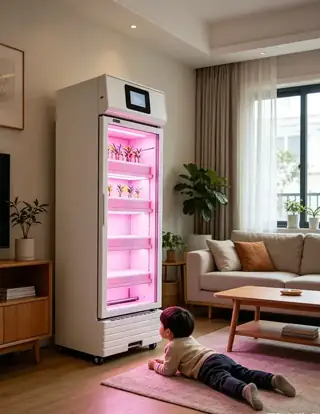
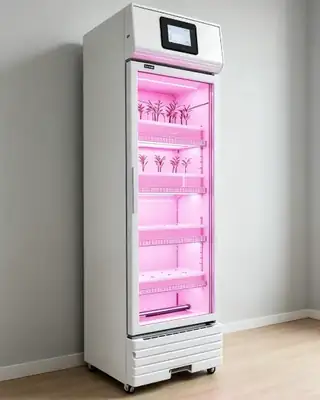
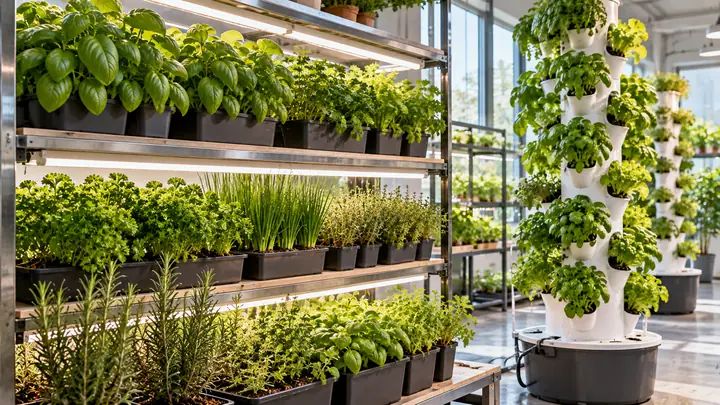
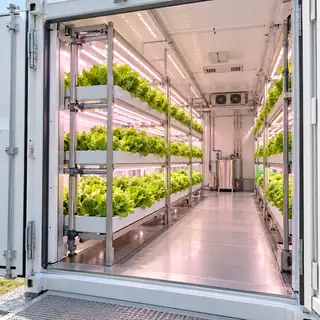
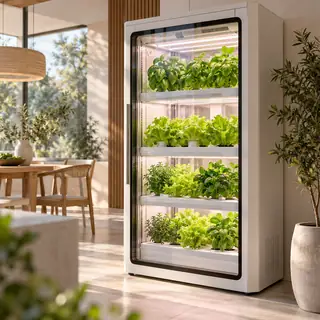
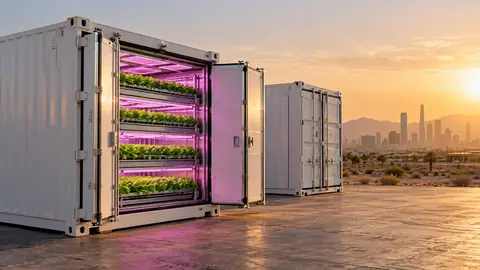
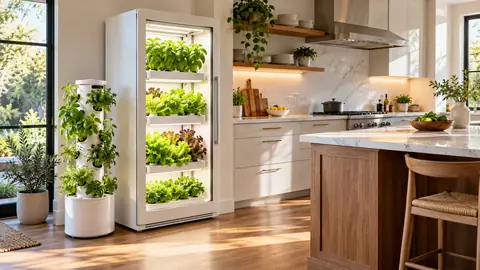
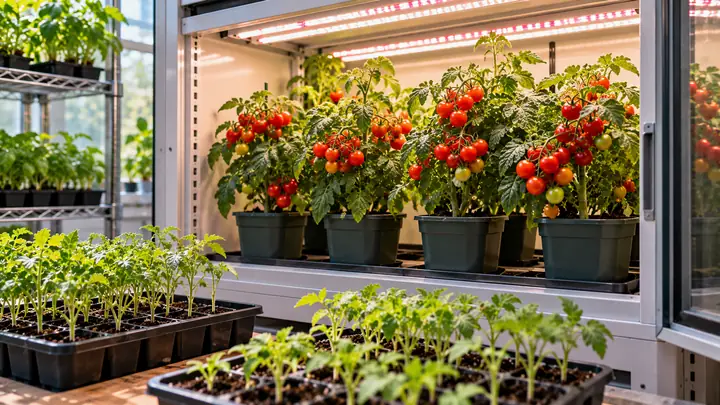
- Grow tents and cabinets: enclosed light, fans and sometimes automatic irrigation make results far more predictable. Cabinets of about 1.5–2 m (5–6.5 ft) internal height suit micro dwarf, patio and many dwarf varieties. Compare options in grow tent vs grow cabinet, or see our single-door hydroponic grow cabinet.
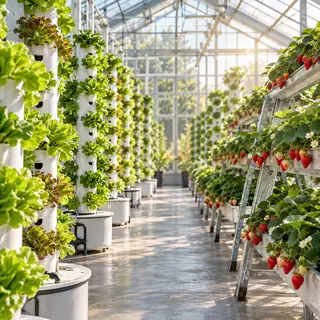
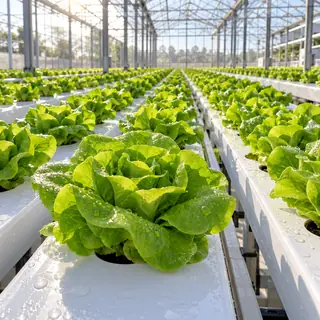
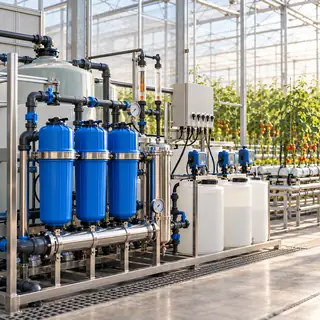
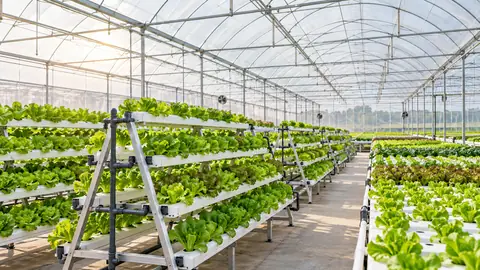
- Hydroponic systems: Dutch buckets and drip-fed substrate suit dwarf and indeterminate tomatoes; see the complete Dutch bucket planting system. The home hydroponic systems guide explains smaller options.
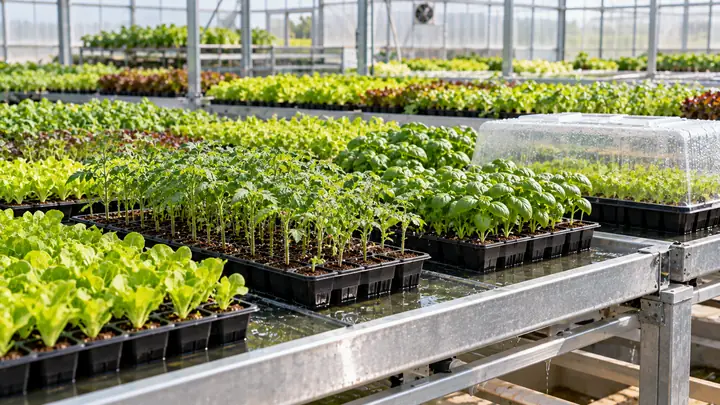
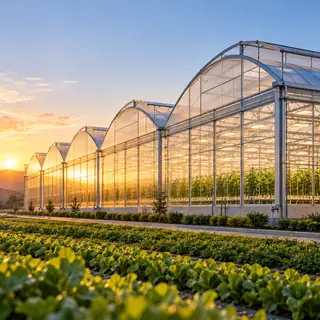
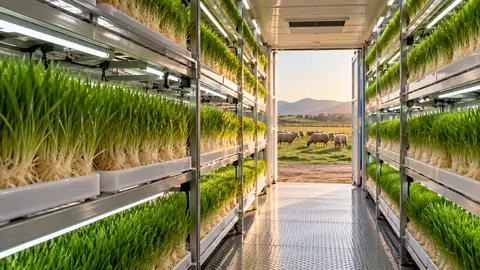
- Seedling production: nurseries and greenhouse farms raise tomato seedlings in multi-tier, climate-controlled seedling cabinets or racks before transplanting.
Next steps
Growing tomatoes indoors comes down to choosing a compact variety, starting seeds warm, giving strong light and pollinating every flower truss. Once you scale from a few pots to racks, cabinets or a greenhouse, purpose-built equipment saves labor and gives more consistent fruit. Mars Vertical Farm manufactures grow cabinets and home grow systems, seedling cabinets and Dutch bucket systems factory-direct, with custom sizes and layer heights. Tell us what you want to grow and how much space you have, and we will suggest a setup and quotation.