Short answer
IoT in smart agriculture is the use of connected sensors, controllers and software to monitor crops, soil, climate and water in real time and to act automatically or remotely. A typical system links soil moisture, temperature, humidity, CO2, light, EC and pH sensors through LoRaWAN, cellular, Wi-Fi or wired Modbus networks to a controller that switches valves, pumps, fans, lights and dosing equipment.
What is IoT in smart agriculture?
IoT in smart agriculture means using connected sensors, controllers and software, the Internet of Things, to measure field, greenhouse or indoor farm conditions in real time and act on them automatically or remotely. Typical systems monitor soil moisture, climate, water and nutrients, then switch irrigation valves, fans, lights or dosing pumps based on rules or a grower's decision.
Smart farming is the broader idea of running a farm on data instead of fixed routines; IoT is the hardware and network layer that makes it possible. Smart agriculture using IoT applies equally to open fields, orchards, greenhouses, container farms and livestock barns, although the sensors and networks differ. This guide explains how agriculture IoT systems are built, which IoT sensors in agriculture matter most, how devices communicate, practical use cases in irrigation and controlled-environment farming, and how to plan a rollout. If you only need an irrigation timer upgrade, start with our smart irrigation controller guide; this article covers the whole farm system.
How does an agriculture IoT system work?
An agriculture IoT system, or smart agriculture system, works in layers: sensors collect data, a network carries it, a gateway or controller processes it, a cloud or local platform stores and displays it, and actuators carry out decisions. Each layer can come from different suppliers, so open protocols matter.
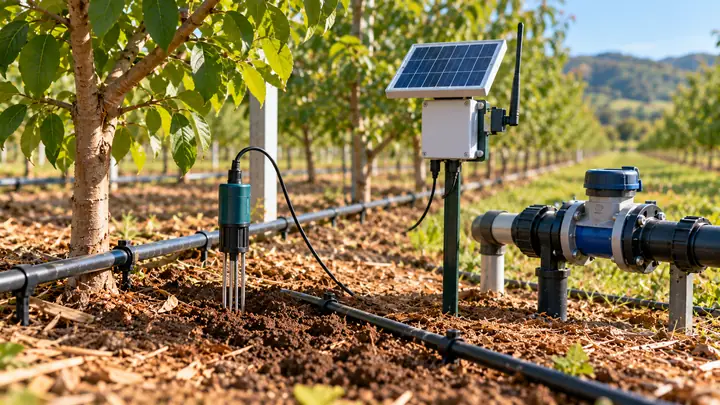
- Sensing. Battery or mains-powered sensors measure variables such as soil water content, air temperature and relative humidity, CO2, light, electrical conductivity (EC) and pH.
- Connectivity. Data travels by wired fieldbus such as RS485/Modbus, short-range radio such as Wi-Fi, Zigbee or Bluetooth, long-range radio such as LoRaWAN, or cellular networks such as NB-IoT, LTE-M and 4G.
- Edge control. A gateway, PLC (programmable logic controller) or climate computer on site runs control loops. Critical functions, such as closing vents in a storm, should keep working if the internet connection drops.
- Platform. A cloud or on-premise dashboard logs data, sends alarms by app, SMS or email, and lets managers adjust setpoints remotely.
- Actuation. Relays and drivers switch pumps, solenoid valves, fans, heaters, screens, LED lights and dosing equipment.
The value comes from closing the loop: a sensor reading triggers a defined action, and the result is logged so the grower can refine the rule.
Which IoT sensors are used in agriculture?
The most useful smart agriculture sensors are those tied directly to a decision you make every day, such as when to irrigate, when to ventilate or when to change a nutrient solution. The table lists common sensors for smart farming and what they drive.
| Sensor | Measures | Typical decision | Where used |
|---|---|---|---|
| Soil moisture (capacitance, TDR, tensiometer) | Volumetric water content or soil water tension | Start or stop irrigation | Fields, orchards, substrate slabs |
| Air temperature and relative humidity | °C (°F) and % RH, from which VPD is calculated | Ventilation, heating, dehumidification | Greenhouses, indoor farms, storage |
| CO2 | ppm | CO2 enrichment, ventilation | Greenhouses, plant factories, mushroom rooms |
| Light (PAR quantum sensor, solar radiation) | µmol/m²/s or W/m² | Supplemental lighting, shade screens, radiation-based irrigation | Greenhouses, vertical farms |
| EC and pH probes | mS/cm and pH | Fertilizer and acid dosing | Fertigation heads, hydroponic tanks |
| Water level, flow and pressure | Level, L/min, bar | Tank refill, leak and clog alarms | Irrigation heads, reservoirs |
| Weather station | Rain, wind, solar radiation, temperature | Irrigation scheduling, vent and screen protection | Farms, greenhouse roofs |
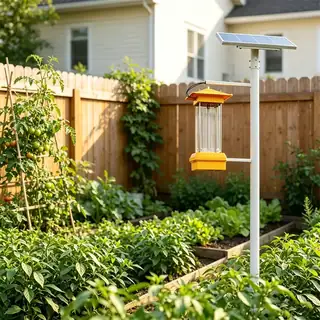
| Insect monitoring lamp or trap camera | Insect counts and images | Spray timing, pest alerts | Orchards, fields, greenhouses |
Soil sensors deserve their own planning because placement, depth and calibration decide whether the data is trustworthy; our guide to soil moisture sensors for irrigation covers that in detail.
How do farm IoT devices communicate?
Farm IoT devices communicate over the network that matches their distance, data volume and power supply. Long distances and battery power favor low-power wide-area networks; greenhouses and indoor farms with mains power usually favor wired buses or Wi-Fi.
- LoRaWAN: low power and long range, often several kilometers in open rural terrain, with sensor batteries lasting years. Data rates are small, which is fine for readings every 5–15 minutes. You install your own gateway or use a public network where available.
- NB-IoT and LTE-M: cellular low-power networks that need no private gateway but depend on operator coverage and a SIM subscription per device.
- 4G/5G cellular routers: for gateways, cameras and controllers that send more data.
- Wi-Fi, Zigbee and Bluetooth: short range, suited to grow rooms, container farms and packing areas.
- RS485/Modbus and Ethernet: wired and robust, the standard inside greenhouses, fertigation machines and plant factories where many devices sit close together.
Ask any provider of IoT farming solutions which protocols the hardware supports and whether you can export raw data. Lock-in to one closed app is a common regret.
What are the main IoT use cases in farming?
The smart agriculture solutions that pay back fastest usually save water, fertilizer, labor or crop losses in an operation that already has the equipment to act on the data. These are the most common applications we see.
Irrigation and fertigation
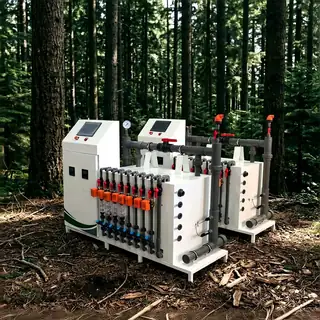
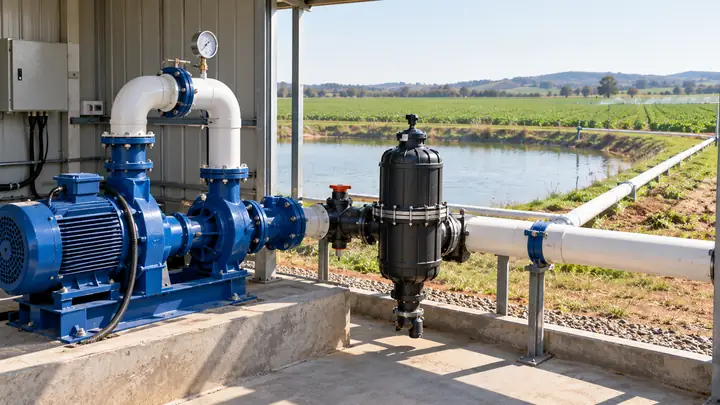
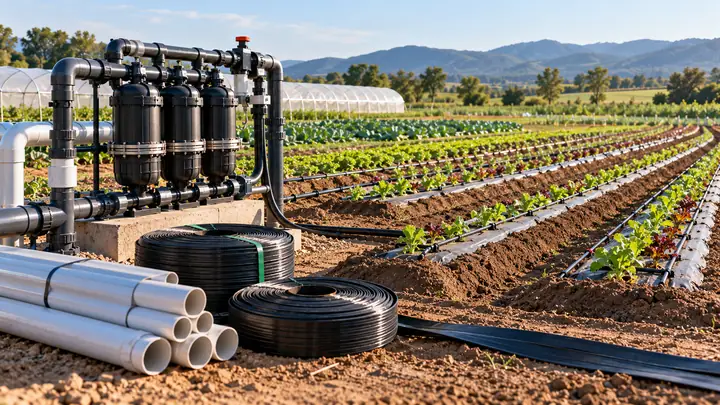
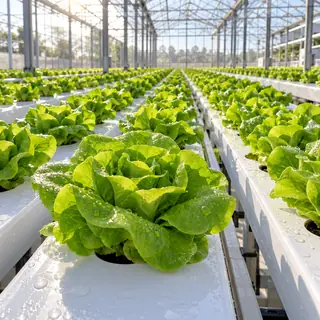
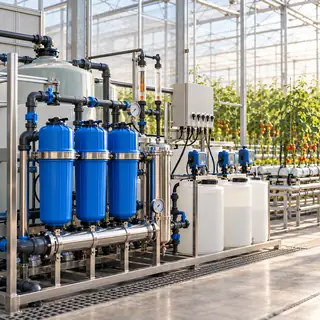
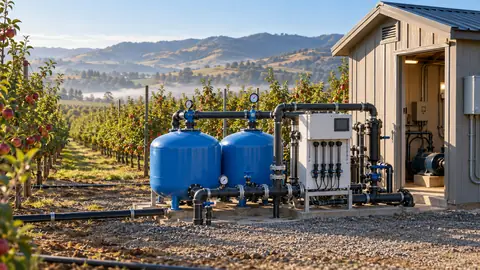
Soil moisture, weather and flow data schedule irrigation by actual need, while EC and pH sensors control fertilizer injection. Flow and pressure alarms catch burst pipes and clogged filters early. Our IoT digital irrigation system combines valves, sensors and remote control; for injector sizing see how to size a fertigation system.
Greenhouse climate control
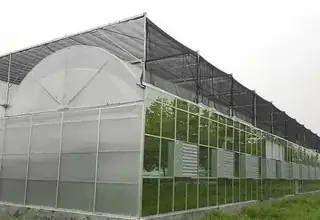
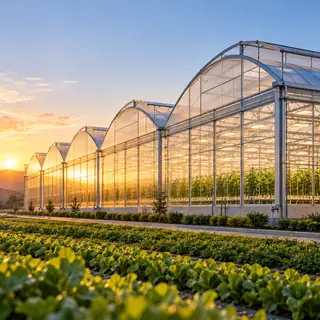
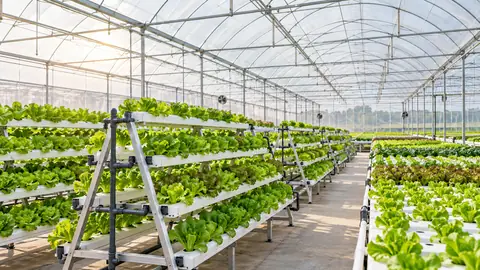
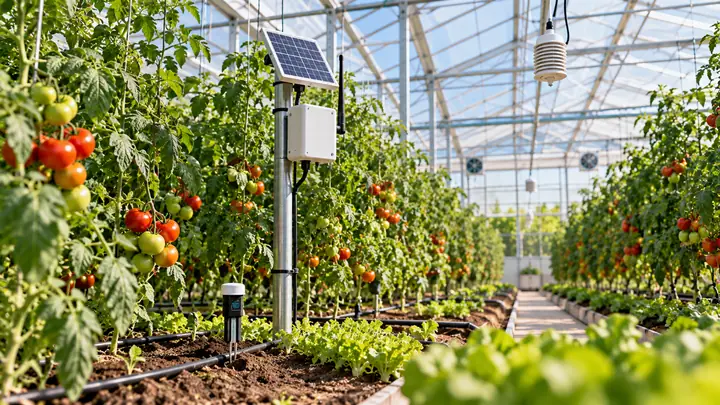
Temperature, humidity, CO2 and radiation sensors drive roof vents, side vents, screens, fans and heating. Remote alarms for high temperature or power failure can save a crop overnight.
Container farms and plant factories
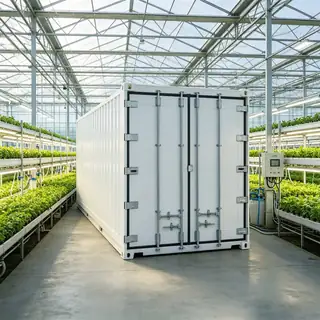
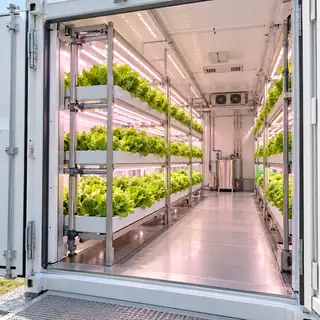
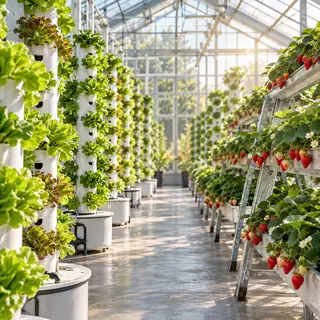
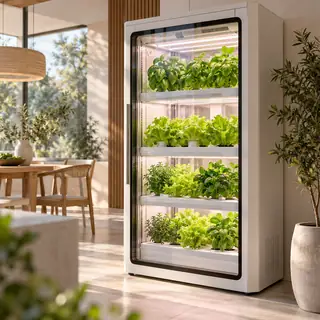
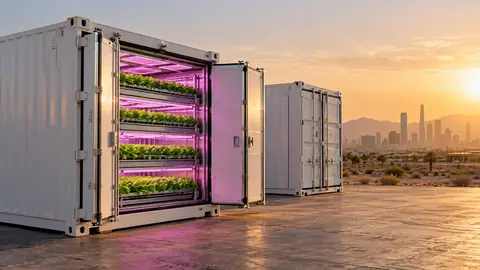
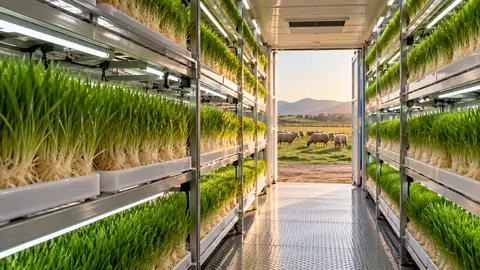
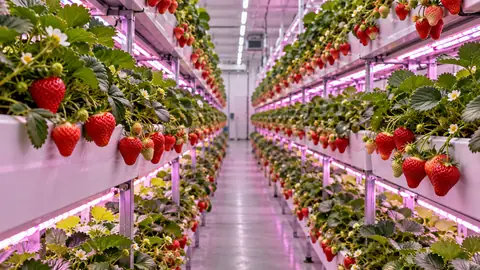
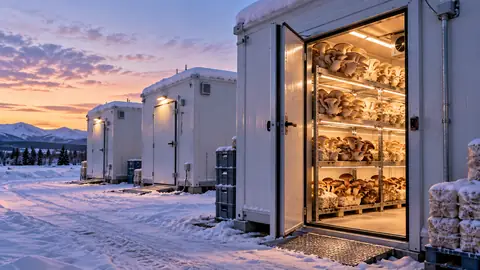
Fully enclosed farms depend on automated farming: LED photoperiods, HVAC and dehumidification, nutrient dosing and water level are all controlled and logged. Growers can manage several sites from one dashboard. See indoor farm HVAC and dehumidification for the climate side.
Pest monitoring
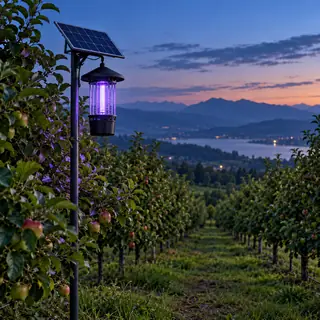
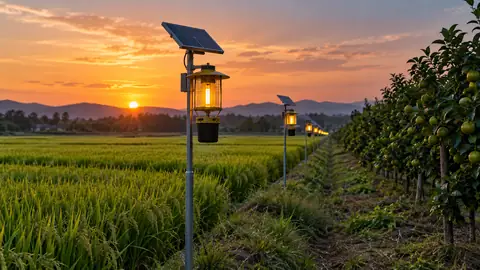
Solar insect-monitoring lamps count and photograph trapped insects and upload images, giving early warning of pest flights across large orchards and fields. Our solar insect-killing lamp guide explains coverage and placement.
Water, storage and livestock
Tank level sensors, cold room temperature loggers and automated hydroponic fodder systems are simple, high-value IoT devices for agriculture that reduce daily site visits.
Smart farming vs precision farming: what is the difference?
Precision farming manages variability within a field, applying water, seed or fertilizer at different rates zone by zone, often guided by GPS, yield maps and satellite or drone imagery. Smart farming is the wider umbrella that includes precision farming plus connected controls, automation, remote monitoring and farm management software.
In greenhouses and indoor farms, precision looks different: the "zones" are benches, rooms or rack levels, and precision means holding each climate and nutrient setpoint tightly. The same data principles apply, and many farm software platforms now cover both outdoor and protected cropping.
How do you implement IoT on a farm?
Implementing IoT works best as a staged project that starts with one clear problem and expands once the data proves useful. A typical sequence looks like this.
- Define the decision. For example, "irrigate each zone only when substrate moisture drops below a set point" or "alarm if a container farm exceeds 28°C (82°F)".
- Audit existing equipment. List pumps, valves, fans and controllers, their voltages and whether they accept relay, 0–10 V or Modbus control.
- Choose sensors and placement. Place enough sensors to represent each zone, away from heaters, doors and direct spray.
- Select the network. Match LoRaWAN, cellular, Wi-Fi or wired links to distance and power availability, and check coverage on site.
- Keep local control. Make sure critical loops run on the on-site controller with safe defaults if communication fails.
- Calibrate and validate. Calibrate EC, pH and moisture sensors at installation, then on a schedule, and compare readings with handheld meters.
- Set alarms and roles. Decide who receives which alarm and what they must do.
- Review and expand. After a season, compare water, fertilizer, energy and labor with previous records and extend to the next zone.
How do you keep track of farm data and expenses?
Farm data becomes valuable when sensor logs connect with business records such as inputs, labor, harvests and sales. Many growers start by keeping track of farm expenses in a spreadsheet or a farm expense tracker app, then move to farm management or farm inventory software that records fertilizer stock, seed lots, harvest batches and costs per crop.
When choosing software or a technology supplier, check that it can import data from your controllers, export to common formats, and assign costs per zone or crop. Also budget for the ongoing costs that are easy to overlook: SIM or network fees, cloud subscriptions, battery replacement, sensor recalibration and spare probes. EC and pH probes, for example, are consumables that typically need replacement every one to two years depending on use.
Common mistakes with IoT in farming include installing too few sensors to represent the crop, ignoring calibration, relying on cloud-only control and collecting data no one reviews. Security matters too: change default passwords, keep firmware updated and separate farm control networks from guest Wi-Fi.
Next steps
IoT in smart agriculture delivers the most when it is built into the equipment from the start: fertigation machines, greenhouses, container farms and pest lamps that already speak open protocols and share one dashboard. Mars Vertical Farm supplies IoT-ready irrigation heads, plant factories such as our automated container plant factory with IoT sensor control and solar pest-monitoring lamps, factory-direct with custom sensor and control configurations. Tell us your crop, site and what you want to automate, and our engineers will suggest a practical system.