Short answer
Vertical farming is growing crops in vertically stacked layers, usually indoors, using soilless methods such as hydroponics or aeroponics with LED lighting and controlled temperature, humidity and nutrients. It is a form of controlled environment agriculture. It uses very little land and water and allows year-round production, but needs significant electricity and investment, so it suits fast, high-value crops like leafy greens and herbs.
What is vertical farming?
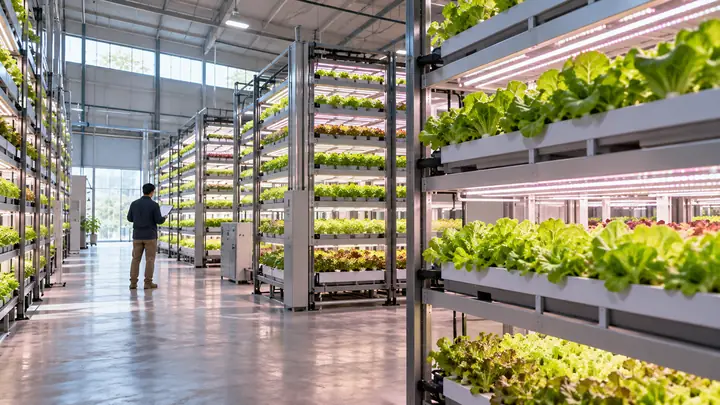
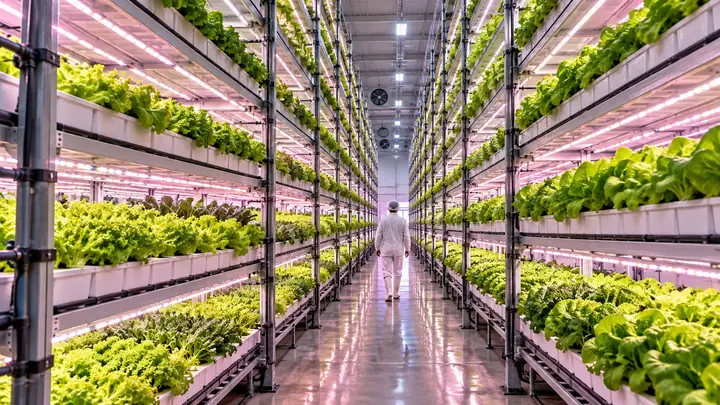
Vertical farming is the practice of growing crops in vertically stacked layers, usually indoors, with soilless methods such as hydroponics or aeroponics and with light, temperature, humidity, CO₂ and nutrients controlled by the grower. Instead of spreading crops across a field, a vertical farm multiplies growing area by building upward on a small footprint.
In short, the vertical farming definition covers two related ideas: stacking plants vertically, and controlling the growing environment. Indoor vertical farms that use only artificial light are also called plant factories. Vertical farming is one branch of controlled environment agriculture (CEA), the wider family of indoor farming and controlled environment farming methods that also includes greenhouses and growth chambers. This article explains how vertical farms work, the main types, their real benefits and disadvantages, and where they make sense.
How does vertical farming work?
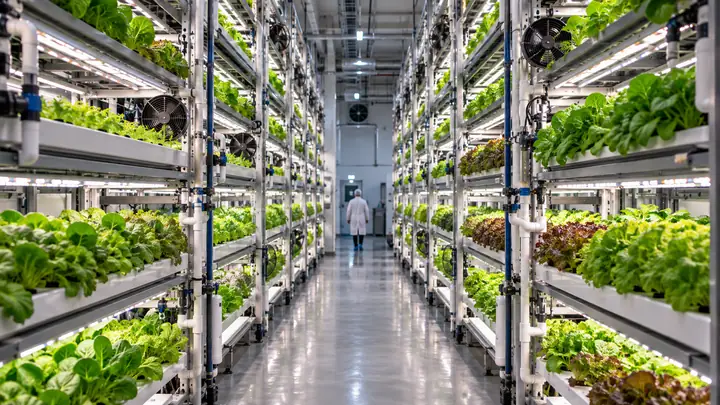
A typical indoor vertical farm combines six systems:
- Germination. Seeds start in plugs or trays in a nursery area under controlled light and humidity, often for one to three weeks.
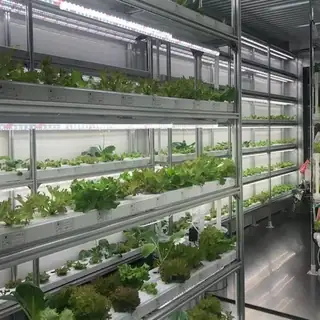
- Growing structure. Seedlings move into multi-tier racks, towers or A-frames where they grow to harvest.
- Soilless root zone. Roots sit in a nutrient solution, a thin nutrient film, a mist or an inert substrate, and receive water and minerals directly.
- Lighting. LED fixtures above each layer provide the light for photosynthesis, on a set daily schedule. Farms in greenhouses use sunlight plus supplemental lights.
- Climate control. Air conditioning, dehumidifiers and fans hold temperature, humidity and airflow in range, and CO₂ may be added.
- Monitoring and control. Sensors track EC, pH, temperature, humidity and water level, and a controller adjusts equipment and raises alarms.
Because every input is controlled, a vertical farm can harvest the same crop on the same day every week, year-round. For a complete list of the hardware, see our vertical farming equipment guide.
What are the types of vertical farming?
Vertical farming methods are usually grouped by how roots are fed and by the building used.
By growing method
| Method | How roots are fed | Strengths | Limits |
|---|---|---|---|
| Hydroponic vertical farming | Roots in flowing or still nutrient solution (NFT, ebb and flow, deep water culture) | Proven, simple, widely used | Water-filled systems are heavy on upper racks |
| Aeroponics vertical farming | Roots hang in air and are misted with nutrient solution | High root oxygen, low water volume | Nozzles clog; crops suffer quickly if pumps fail |
| Aquaponics vertical farming | Fish waste, converted by bacteria, feeds plants | Produces fish and plants together | More complex biology; slower to tune |
| Substrate culture | Drip irrigation into coir, rockwool or similar | Suits strawberries and fruiting crops | More media handling and waste |
Our article on aeroponics vs. hydroponics compares the two most common methods in depth, and what is hydroponics covers the basics of soilless growing.
By building type
- Purpose-built or converted buildings: warehouses or factories fitted with racks, the classic vertical farming building. Vertical farming architecture here focuses on insulation, airflow and workflow.
- Shipping containers: compact, self-contained units; see our shipping container farm guide.
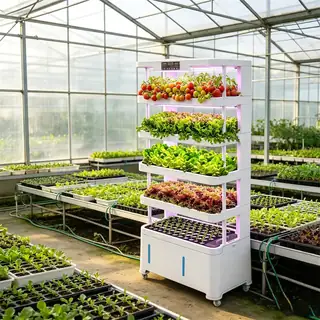
- Greenhouses with vertical systems: towers or A-frames under sunlight, sometimes called outdoor or semi-outdoor vertical farming.
- Home and retail units: grow cabinets and towers for kitchens, classrooms and stores.
What are the benefits of vertical farming?
- High yield per square meter of land. Stacking layers and growing year-round multiplies output from a small footprint.
- Year-round, weather-independent supply. Drought, frost, storms and seasons do not interrupt production.
- Low water use. Recirculating systems lose water mainly through plant uptake, and condensate from dehumidifiers can often be recovered.
- Little or no pesticide use. A sealed room with good hygiene keeps most pests out.
- Local production. Farms can sit in or near cities, cutting transport time and improving freshness and shelf life.
- Consistency. Controlled conditions give uniform size, taste and timing, which retailers and restaurants value.
What are the disadvantages of vertical farming?
The cons of vertical farming are mostly about energy and money:
- High electricity use. Replacing sunlight with LEDs and removing the resulting heat takes a lot of power. One census-based estimate cited by NCAT ATTRA puts vertical farms at several times the electricity per kilogram of a greenhouse.
- High start-up cost. Racks, lighting, HVAC and controls require significant investment before the first harvest.
- Limited crop range. Leafy greens, herbs and microgreens fit well; staple crops such as grains are not economical, and tall fruiting crops are difficult.
- Pollination. Crops such as strawberries need hand, mechanical or insect pollination indoors.
- Skills and reliability. A pump, power or HVAC failure can damage a crop within hours, so trained staff and backup systems matter.
When people ask why vertical farming is bad, they usually mean these points, together with the high-profile failures of some large vertical farming companies that expanded faster than their sales. The model is not inherently unworkable; it is sensitive to electricity prices, product prices and execution.
Vertical farming pros and cons at a glance
| Factor | Vertical farm | Greenhouse | Open field |
|---|---|---|---|
| Land use per kg | Very low | Low | High |
| Water use per kg | Very low with recirculation | Low to moderate | High |
| Energy use per kg | High (lighting and cooling) | Low to moderate (heating in cold climates) | Low on site |
| Weather risk | Very low | Moderate | High |
| Pesticide need | Very low | Low to moderate | Varies, often higher |
| Capital cost per m² | High | Moderate | Low |
| Crop range | Narrow | Wide | Widest |
How is vertical farming sustainable?
Vertical farming helps the environment mainly by saving land and water, reducing pesticide use and shortening supply chains. Whether it is more sustainable overall depends largely on the electricity source. A farm running on renewable power, or using waste heat and off-peak energy, has a much smaller footprint than one on a fossil-heavy grid. For greens that would otherwise be trucked or flown long distances, local indoor production can also reduce food waste through longer shelf life.
What are some examples of vertical farming?
Vertical farming projects take many forms. Common examples include:
- Urban warehouse farms that supply supermarkets and food-service distributors with packaged salad greens and herbs, often harvested the same day they are delivered.
- Container farms at remote sites such as mining camps, islands, military bases or northern communities, where fresh produce is otherwise flown or shipped in.
- Restaurant and hotel farms, a single container or grow room supplying one kitchen with herbs and specialty greens.
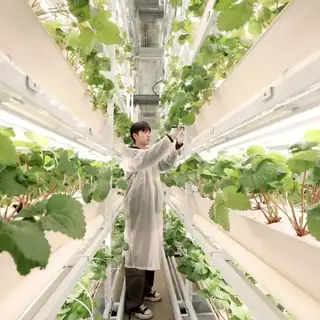
- Greenhouse vertical systems, where towers or A-frames stack strawberries or lettuce under sunlight to raise output per square meter.
- Research and education units at universities and schools, used for crop trials and teaching.
- Fodder containers on livestock farms, growing sprouted barley or wheat as fresh feed in dry regions.
What challenges do vertical farming projects face?
Beyond energy, the most common vertical farming challenges are practical. Dehumidification is often under-sized, leading to disease and tipburn. Labor for seeding, transplanting, harvesting and cleaning is higher than many plans assume. Sales prices for lettuce face competition from field and greenhouse growers, so farms need a clear freshness, quality or local-supply advantage. Finally, food safety, sanitation and water quality need written procedures from day one.
Why has vertical farming become more economical?
Several trends have lowered costs over the past decade or so. LED grow lights have become far more efficient and cheaper, so each unit of light needs less electricity and produces less heat to remove. Sensors, controllers and remote monitoring have become inexpensive. Growers have learned better light recipes and crop schedules, raising yields. Modular, factory-built systems such as container farms and pre-engineered racks have also reduced design and installation time. Energy prices still decide much of the outcome, but the technology gap has narrowed.
What crops grow best in vertical farms?
Leafy greens such as lettuce, spinach and kale are the most common crops because they grow quickly, stay compact and need relatively little light. Herbs such as basil and mint, microgreens, and some strawberries follow. Crops are chosen for short cycles, high value per kilogram and low height. Germination and seedling quality matter a lot in vertical farm production, because uniform seedlings fill racks evenly and make harvest predictable.
Can you do vertical farming at home?
Yes, on a small scale. Home vertical farming usually means a multi-tier grow cabinet, a countertop tower or a small rack with LEDs for herbs and salad greens. A home multi-tier vertical hydroponic system is a typical example. Indoor farming at home teaches the basics of nutrient and light management, though the economics are about convenience and freshness rather than profit. See our range of smart grow cabinets and home systems.
How do commercial vertical farming projects start?
A commercial vertical farming project usually starts with a confirmed buyer, a pilot such as one container or a small grow room, and a scale-up into a building once yields and prices are proven. Read how to start a vertical farm for the full planning process. Mars Vertical Farm has more than 20 years of production experience and builds container and indoor plant factories, such as the customizable indoor vertical plant factory. Contact us with your crop and site details for a proposed layout.