Short answer
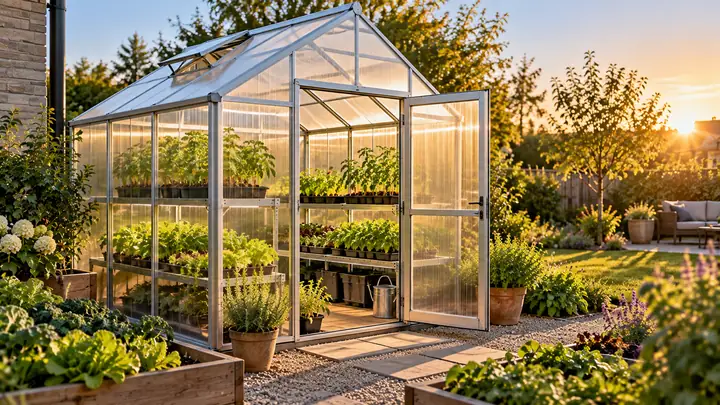
A hoop house and a high tunnel are usually the same structure: curved metal hoops covered with greenhouse polyethylene, tall enough to walk in, heated mainly by the sun and ventilated by roll-up sides. Polytunnel is the European name. A greenhouse differs by having active heating, fan or automated ventilation, and often rigid glazing for year-round production.
What is the difference between a hoop house and a high tunnel?
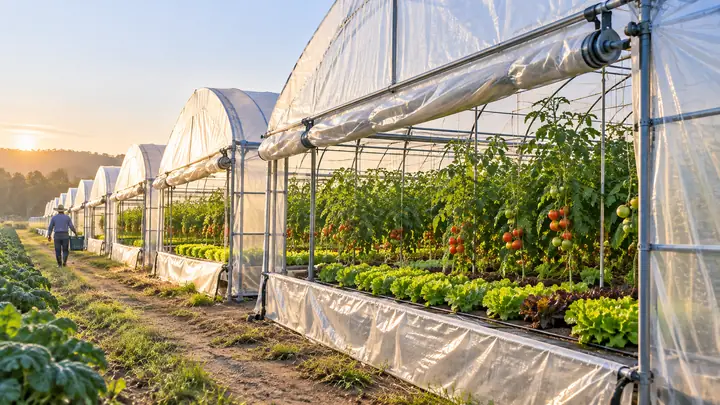
A hoop house and a high tunnel are usually the same kind of structure: a row of curved metal hoops covered with greenhouse plastic, tall enough to walk and work inside, and heated mainly by the sun. "High tunnel" is the term used by extension services and the USDA for a walk-in, mostly unheated structure where crops grow in the ground. "Hoop house" is the everyday name for the same idea, and "polytunnel" is the common British and European term.
The real differences are between these walk-in tunnels and the structures on either side of them: low tunnels and cold frames, which are smaller and simpler, and greenhouses, which have active heating, fan ventilation and often rigid glazing. Choosing between them depends on crop, climate, budget and how much control over growing conditions you need.
What do the terms mean?
Hoop house
A hoop house is any structure built from bent hoops, usually galvanized steel tube, covered in plastic. It can be a small backyard tunnel or a commercial bay 9 m (30 ft) wide or more. Many people say "greenhouse hoop house" or "hoop greenhouse" when the structure has end walls, doors and some heating.
High tunnel
A high tunnel greenhouse is a hoop house used as a season-extension tool for in-ground crops. Extension specialists describe high tunnels as unheated, plastic-covered hoop structures that rely on passive solar heating and passive ventilation through roll-up sides. In the USA, the NRCS High Tunnel System practice defines minimum criteria such as growing in the natural soil profile and a peak height of at least 6 ft.
Polytunnel
A polytunnel greenhouse (or poly tunnel greenhouse) is the European name for a plastic-covered hoop structure. The term covers everything from hobby tunnels to large multi-bay commercial tunnels used for soft fruit.
Low tunnel and caterpillar tunnel
Low tunnels are knee- to waist-high hoops over a single bed, covered with row cover or film. Caterpillar tunnels are lighter walk-in tunnels held down with ropes, usually used for three seasons and taken down or uncovered in winter.
Cold frame greenhouse
A cold frame is a low, unheated box with a transparent lid, used to harden off seedlings or grow greens in early spring. Cold frame greenhouse kits and wooden cold frames are garden-scale tools, not production structures.
Hoop house vs high tunnel vs polytunnel vs greenhouse: comparison
| Structure | Typical height | Covering | Heating | Ventilation | Typical use |
|---|---|---|---|---|---|
| Cold frame | Under 1 m | Glass, polycarbonate or film lid | None | Prop the lid open | Seedlings, hardening off |
| Low tunnel | 0.5–1.2 m | Row cover or film | None | Open the ends or sides | Frost protection over beds |
| Caterpillar tunnel | About 2–2.5 m | Single film, roped down | None | Lift the sides | Three-season vegetables |
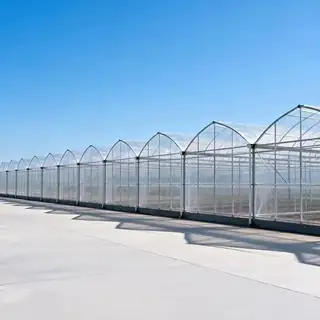
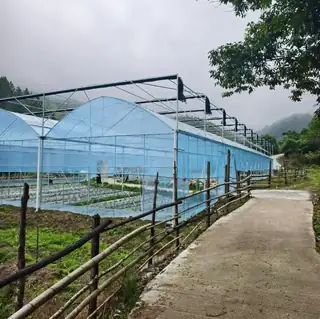
| High tunnel / hoop house / polytunnel | About 2.5–4.5 m | Single or double 6 mil polyethylene | Mostly passive solar, optional backup | Roll-up sides, end doors, sometimes ridge vents | In-ground vegetables, berries, cut flowers |
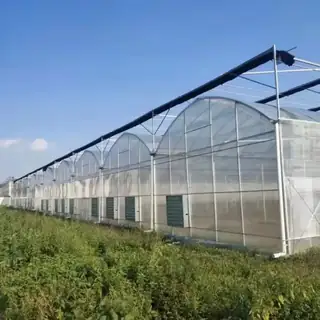
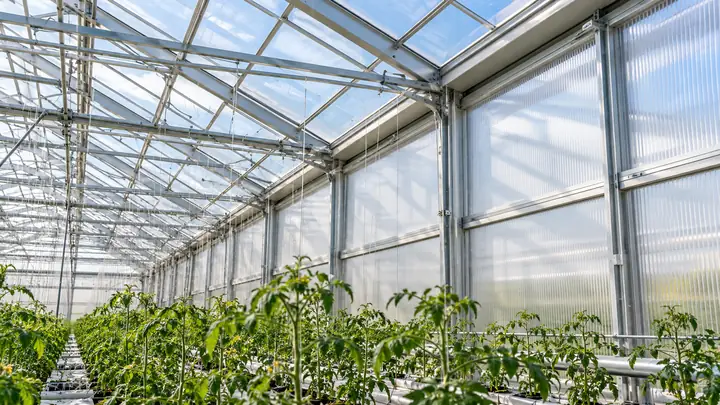
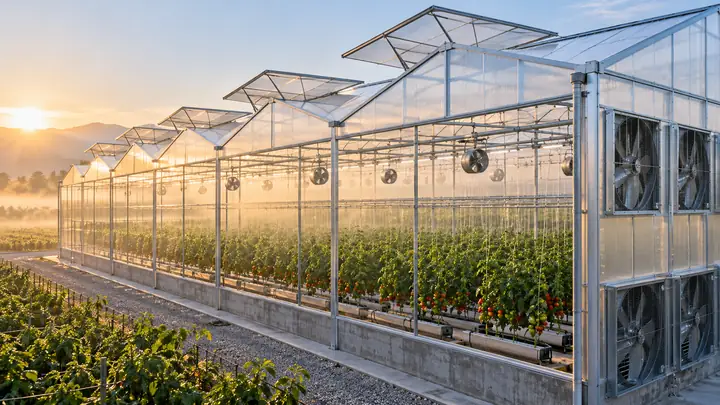
| Multi-span film greenhouse | 4–7 m to gutter or ridge | Double inflated film or polycarbonate | Active heating | Roof vents, fans, pad cooling | Year-round commercial production |
Gothic or quonset: which hoop shape is better?
Hoop frames come in two main profiles:
- Quonset (round) hoops: a semicircle or low arch. Cheaper and simpler, but headroom drops quickly near the sides and snow can sit on the flatter top.
- Gothic (pointed) hoops: the hoops meet at a peak. Snow sheds more easily, condensation runs down the sides rather than dripping on crops, and there is more usable height near the walls. Gothic high tunnel kits usually cost a little more.
Straight-wall (or high side-wall) designs add vertical legs under the arch, which improves headroom for trellised tomatoes and makes roll-up sides more effective. In snowy areas, look for galvanized hoop house frames with closer hoop spacing, truss bracing and a published snow load rating.
How are hoop houses covered and ventilated?
The standard cover is UV-stabilized, greenhouse-grade polyethylene around 6 mil (about 150 microns) thick, typically rated for about four years. A single layer transmits more light; a double layer inflated with a small blower insulates better but transmits somewhat less. Infrared and anti-drip additives are worth paying for in most climates. Our guide to greenhouse panels and film compares coverings in detail.
Ventilation in a high tunnel is mostly manual: hand-cranked roll-up sides, end doors and sometimes gable or ridge vents. On a sunny spring day a closed tunnel can overheat within an hour, so someone must open the sides, or automatic roll-up motors with thermostats must do it. For more on climate control, see our greenhouse ventilation and heating guide.
How should a hoop house be irrigated?
Because the cover keeps rain out, every drop of water comes from irrigation. Drip tape or drip line under mulch is the most common choice for in-ground beds. It keeps foliage dry, reduces disease and allows fertigation. Hoop house overhead irrigation, using small sprinklers or misting lines hung from the hoops, works well for leafy greens, transplants and germination, but wet leaves raise disease risk in warm, humid tunnels. See drip irrigation for vegetables and small farms for layout guidance.
What grows best in a high tunnel?
High tunnels pay back fastest with crops that are high in value per square meter and that respond strongly to protection from rain, wind and cold:
| Crop group | Why a tunnel helps | Practical notes |
|---|---|---|
| Tomatoes, peppers, cucumbers | Earlier planting, longer harvest, less foliar disease from rain splash | Need tall side walls for trellising and strong summer ventilation |
| Leafy greens, spinach, herbs | Winter and early-spring harvests of cold-hardy crops | Inner row covers add protection on the coldest nights |
| Strawberries, raspberries, blackberries | Cleaner fruit, less rain damage, extended picking season | Watch for mites and powdery mildew in warm, dry tunnels |
| Cut flowers | Longer stems, cleaner blooms, earlier and later markets | Netting supports are easy to hang from hoops |
| Transplants and seedlings | Protected hardening-off space before field planting | Benches or ground cloth keep trays off wet soil |
Because the soil never gets rain, salts from fertilizer can build up over several seasons. Test the soil regularly, and leave the cover off for a period or leach the beds with irrigation where salinity rises. Rotating crop families between tunnels also helps limit soil-borne disease.
How do you build a hoop house?
Hoop house construction is straightforward with a kit, but site preparation decides how long it lasts:
- Choose the site. Pick level, well-drained ground with full sun. Orient the length to suit prevailing wind and ventilation, and keep slopes gentle (the NRCS practice limits slope to 5%).
- Check rules and loads. Confirm local permits and the design snow and wind loads for the area.
- Square the layout. Mark corners and check diagonals so the hoops line up and the film fits.
- Set ground posts. Drive or concrete ground posts at the specified hoop spacing, often 1.2–1.8 m (4–6 ft), all to the same height.
- Raise the hoops and purlins. Fit hoops, ridge purlin, side purlins and diagonal bracing; this is where most kits differ in strength.
- Build the end walls. Frame doors and vents in timber, aluminum or steel.
- Install baseboards and hip boards. Fit the boards that will carry the roll-up sides and the film locking channel.
- Pull the film. Cover on a calm, mild day so the film tightens as it cools, and lock it into wiggle-wire channels.
- Add irrigation and ventilation. Install roll-up cranks, drip lines and any inflation blower.
How do you choose a high tunnel kit?
When comparing hoop house kits, high tunnel hoop house kits or tunnel greenhouse kits, look past the price per square meter:
- Steel tube diameter, wall thickness and galvanizing, not just frame weight.
- Hoop spacing and bracing, which largely decide snow and wind performance.
- Width and side-wall height: common sizes run roughly from 4 x 9 m (14 x 30 ft) to 9 x 29 m (30 x 96 ft). A small high tunnel suits market gardens; wider tunnels allow tractor access.
- Included parts: end-wall framing, doors, roll-up kits, film, locking channel.
- Documentation: drawings and stated design loads.
Used greenhouse hoops for sale can save money, but check the tube for rust inside and at ground level, and make sure all purlins and connectors are included.
When should you move from a hoop house to a greenhouse?
A single high tunnel is ideal for extending the season of tomatoes, greens, strawberries and cut flowers. Consider a gutter-connected greenhouse when you need year-round production in a cold climate, precise climate control for contracts, heavy snow resistance, or several hectares under cover. Extension guidance notes that multi-bay tunnels generally are not four-season structures where snow loads are heavy, while full greenhouses add heating, automated vents and fans.
For commercial growers, Mars Vertical Farm manufactures the multi-span polycarbonate tunnel greenhouse, the film-covered multi-span steel greenhouse and the large multi-span steel frame greenhouse. Browse the greenhouse range, read the commercial greenhouse guide, or send your site size, crop and climate for a layout and quotation.